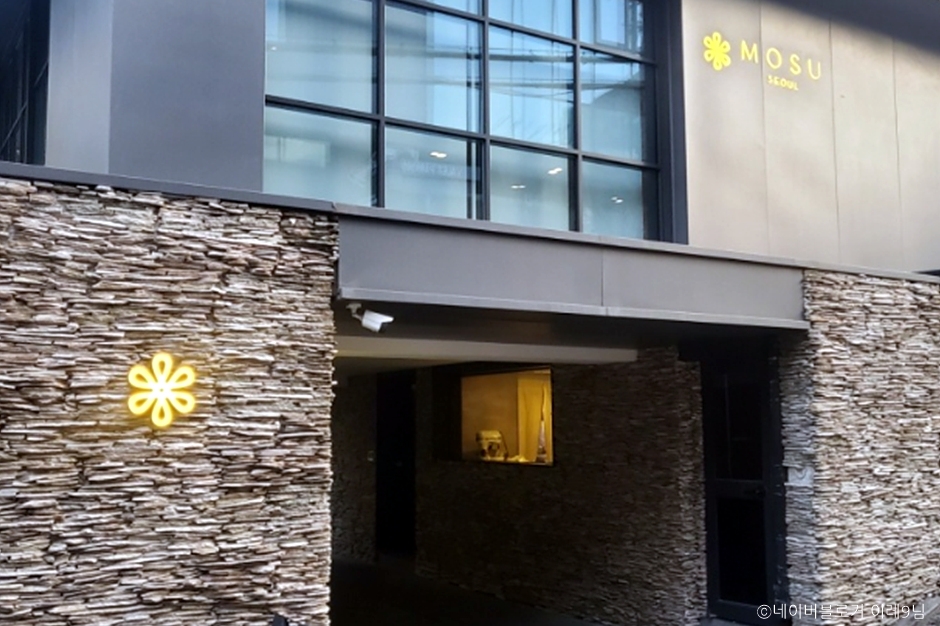
Mosu (모수)
8.2Km 2024-02-22
45 Itaewon-ro 55ga-gil, Yongsan-gu, Seoul
Mosu is a fine dining that creatively reinterprets seasonal Korean ingredients into refined course meals. It offers both lunch and dinner courses and operates on a reservation-only basis, which can be made through its website. Selected in the Michelin Guide Seoul 2023, it provides a pleasant space where guests can enjoy high-quality cuisine.

Namsan Outdoor Botanical Garden (남산 야외식물원)
8.2Km 2022-12-16
323, Sowol-ro, Yongsan-gu, Seoul
+82-2-798-3771
Namsan Outdoor Botanical Garden opened its doors on February 18, 1997 in Hannam-dong, where the residential complex for foreigners once stood before it was demolished in 1994. Covering an area of around 59 ㎡, it is divided into 13 themed gardens with a total 117,132 plants from 269 species. Among this diversity, 60,912 plants from 129 species are tree types and 56,220 plants from 140 species are grass types.
Sungsam Medical Foundation, Miz Medi Hospital (성삼의료재단미즈메디병원)
8.2Km 2025-10-23
295 Gangseo-ro, Gangseo-gu, Seoul
MizMedi Hospital began as an obstetrics and gynecology center specializing in infertility treatment in 1991. In 2000, we expanded to become a general hospital for women, providing comprehensive care for infertility and a wide range of women's health issues.
- The first JCI-certified hospital in Korea specializing in women's healthcare
- An obstetrics and gynecology hospital accredited by the Ministry of Health and Welfare
- 64 specialists and 322 highly skilled employees
- Serving 390,000 patients and delivering 4,000 babies each year
- Performing over 8,000 surgeries each year, with most gynecologic conditions treated laparoscopically, and more than 1,700 in vitro fertilization procedures, frozen embryo transfers, and artificial insemination treatments— with a pregnancy success rate of over 50%
Proudly, we are MizMedi Hospital.
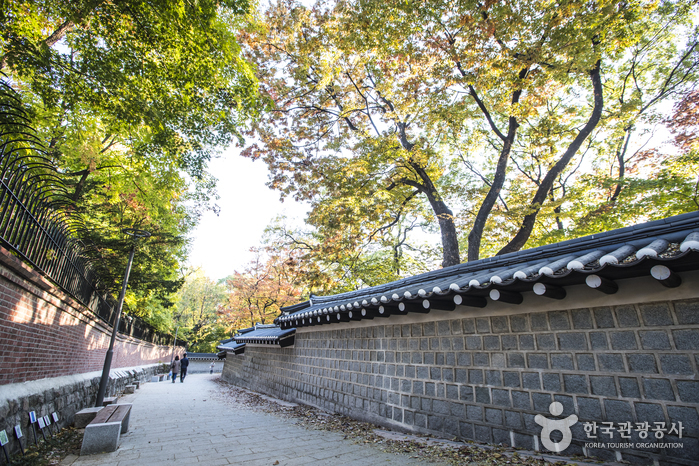
Deoksugung Stone Wall Path (덕수궁 돌담길)
8.2Km 2025-01-10
24 Sejong-daero 19-gil, Jung-gu, Seoul
The Deoksugung Stone Wall Path runs along the wall of Deoksugung Palace. It is beautifully lit and landscaped, giving it a romantic atmosphere even at night. There are street performances and flea markets, and the area boasts many famous cafes and restaurants along Jeongdong street. In autumn, the ginkgo trees and walls form a stunning scene. Close to major cultural facilities such as the Seoul Museum of Art and Seoul Museum of History, it attracts numerous visitors come for a stroll.
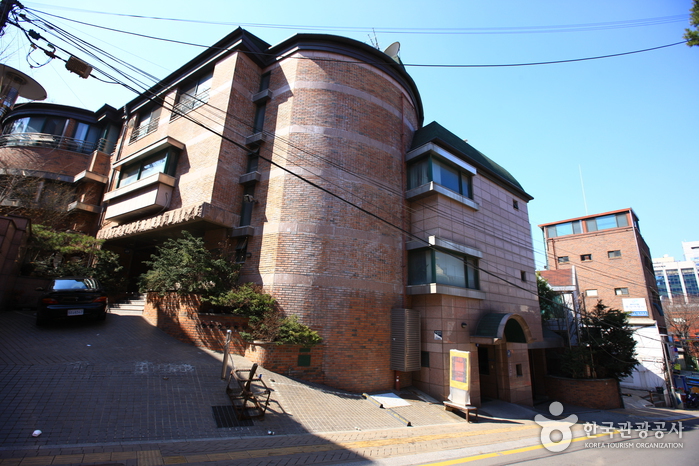
Chojun Textile & Quilt Art Museum (초전섬유ㆍ퀼트박물관)
8.2Km 2024-03-06
29, Toegye-ro 16-gil, Jung-gu, Seoul
+82-2-753-4074~5
Opened in 1998, Chojun Textile & Quilt Art Museum is the only textile art museum in Korea. Visiotrs can learn about the excellence and tradition of Korean textiles by observing a wide range of domestic and international textile artworks. In addition to exhibiting its collection, the museum also holds special exhibitions as well as textile and quilt competitions, giving visitors the opportunity to get up close and personal with textile artworks.
MS Eye Clinic (엠에스안과의원)
8.2Km 2025-10-23
2F, 189 Sinbanpo-ro, Seocho-gu, Seoul
MS Eye Clinic has attracted international patients by establishing MOUs with several countries. The clinic has nine branches across Korea, with potential for further development.
The clinic offers improved K-medical services through non-discriminatory treatments and prices for both domestic and overseas patients. It takes pride in its medical expertise and technological power with its university and general hospital partners, which have MOUs with the clinic and refer patients who require surgery to the clinic.
To provide better medical services, the clinic has examination and surgical equipment and surgical staff members of university hospital-level or higher. One of the merits of the clinic is that it provides general outpatient care in addition to treatments for presbyopia/cataract surgery, Silk SMILE LASIK, Dream Lenses, dry eye syndrome, retinal diseases, and oculoplastic surgery.
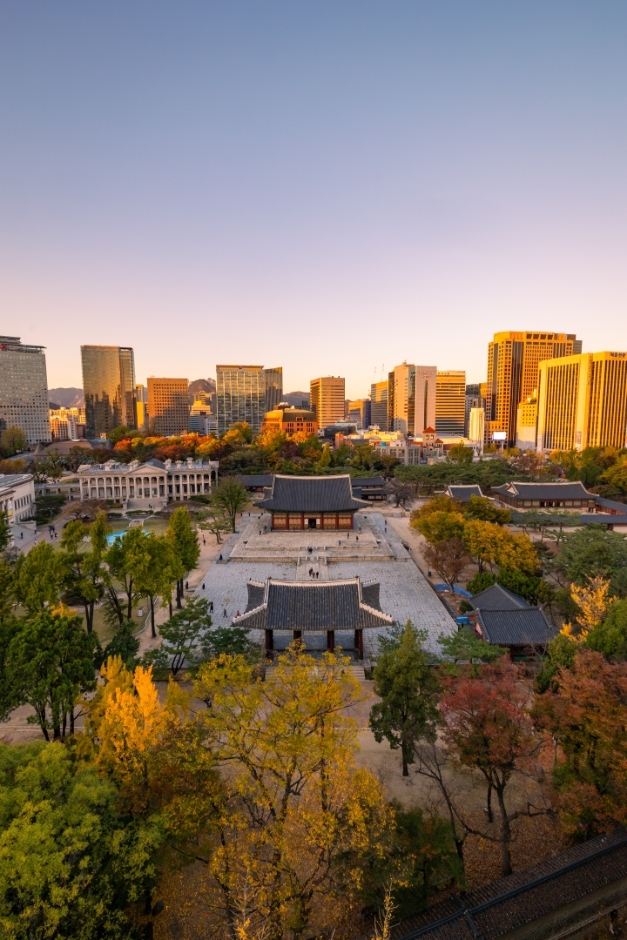
Deoksugung Palace (덕수궁)
8.2Km 2025-06-25
99 Sejong-daero, Jung-gu, Seoul
Registered as a Historic Site, Deoksugung Palace was initially not a royal palace, but the residential home of Grand Prince Wolsan (1454-1488), the older brother of King Seongjong (1469-1494) of the Joseon dynasty. It wasn't until 1593 that the palace was used as a temporary palace of the royal family after their home was burned down during the Imjin War. King Seonjo also stayed at Deoksugung Palace after returning to the city. It became a proper palace when Gwanghaegun (1575-1641) ascended to the throne and gave this royal residence the name Gyeongungung Palace in 1611. Over the following decades, the palace alternated between being an official palace and a temporary residence. The name did not change officially to Deoksugung Palace, meaning the “palace of virtuous longevity,” until 1907. While the palace once encompassed a vast area with many buildings, the current palace grounds are just a small shadow of the prior splendor, with very few structures remaining.
Gyeonghuigung Palace (경희궁)
8.2Km 2024-07-09
45 Saemunan-ro, Jongno-gu, Seoul
+82-2-724-0274
Gyeonghuigung Palace, a designated Historic Site, was originally called the large palace by Saemun Gate, or the Western Palace, for its location within the city. It was not until the eighth year of Gwanghaegun (1616) that the palace was used as a royal residence for the king, changing the name to Gyeongdeokgung Palace. The name later changed again to the current Gyeonghuigung Palace in 1760. The palace grounds included many halls but they were mostly all burned down in a fire in 1829. After the Japanese occupation began, all remaining buildings on the site were torn down and the palace grounds were turned into Gyeongseong Middle School (now Seoul High School). The school moved to Gangnam area in 1987, afterwhich the previous location was turned into a park. The palace grounds currently hold Seoul Museum of Art and walking paths, as well as a restoration of Heunghwamun Gate, the main gate of the palace, and Sungjeongjeon Hall, the main hall, completed in November 1994.
Leeum, Samsung Museum of Art (삼성미술관 리움)
8.2Km 2022-12-15
60-16, Itaewon-ro 55-gil, Yongsan-gu, Seoul
+82-2-2014-6901
Leeum, Samsung Museum of Art, exhibits traditional and modern art works by Korean and international artists. The museum itself is just as fascinating as the art works on display, since the museum's three buildings were designed by internationally renowned architects Mario Botta, Jean Nouvel, and Rem Koolhaas.
MUSEUM 1 houses traditional Korean art, such as calligraphy, paintings, ceramic arts, and metal craftwork, while MUSEUM 2 displays modern and contemporary art by both Korean and international artists.
![Tailorable - Hannam Branch [Tax Refund Shop] (테일러블 한남점)](http://tong.visitkorea.or.kr/cms/resource/41/2890041_image2_1.jpg)
Tailorable - Hannam Branch [Tax Refund Shop] (테일러블 한남점)
8.2Km 2024-04-23
2, Daesagwan-ro 7-gil, Yongsan-gu, Seoul
-
 English
 한국어
한국어 日本語
日本語 中文(简体)
 Deutsch
 Français
 Español
 Русский


