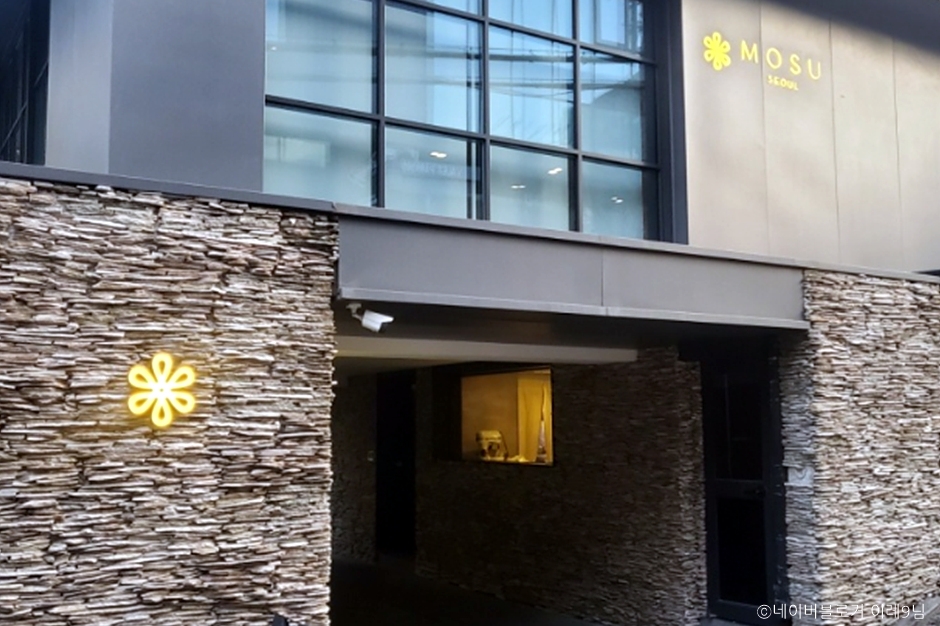
Mosu (모수)
9.0Km 2024-02-22
45 Itaewon-ro 55ga-gil, Yongsan-gu, Seoul
Mosu is a fine dining that creatively reinterprets seasonal Korean ingredients into refined course meals. It offers both lunch and dinner courses and operates on a reservation-only basis, which can be made through its website. Selected in the Michelin Guide Seoul 2023, it provides a pleasant space where guests can enjoy high-quality cuisine.
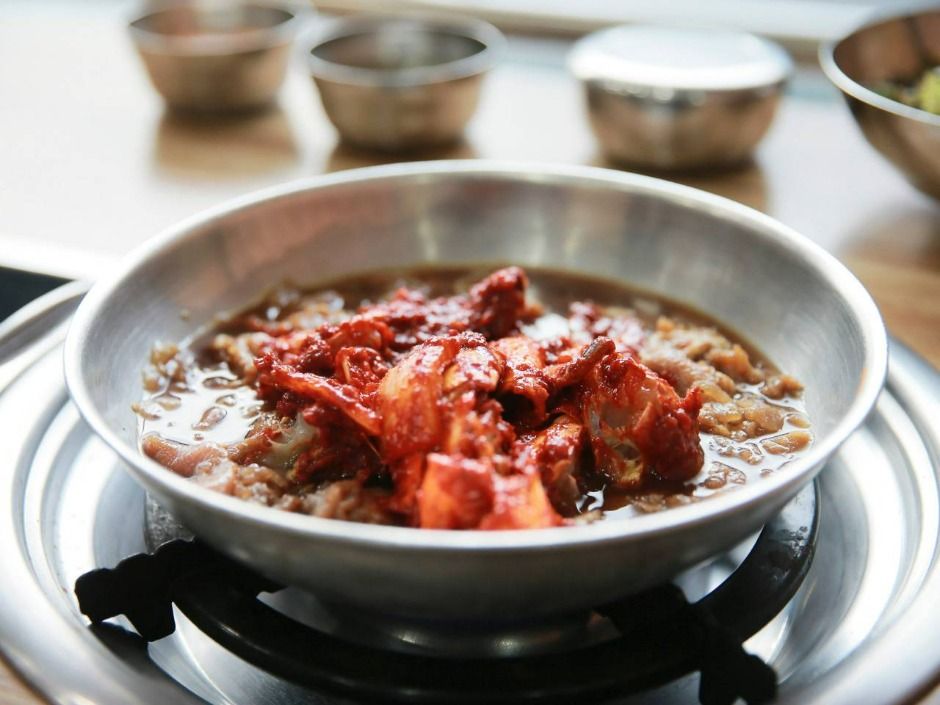
Sinchon Gisa Sikdang (신촌기사식당)
9.0Km 2025-09-15
408 Banghwa-daero, Gangseo-gu, Seoul
Sinchon Gisa Sikdang is a long-established restaurant with a long tradition, known for its generous portions and flavor, gaining word-of-mouth popularity and being featured in various television shows. In 2021, it was certified as a Long-standing Small Business by the Ministry of SMEs and Startups and the Small Enterprise and Market Service. The restaurant's representative menu is Bulkkot Baekban, which consists of dwaejibulbaek (pork bulgogi) and yangnyeom gejang (spicy marinated crab), ideal for two to three people. It's a great place to experience the authentic taste of a traditional restaurant with dishes like pork bulgogi and kimchi stew with fresh meat.
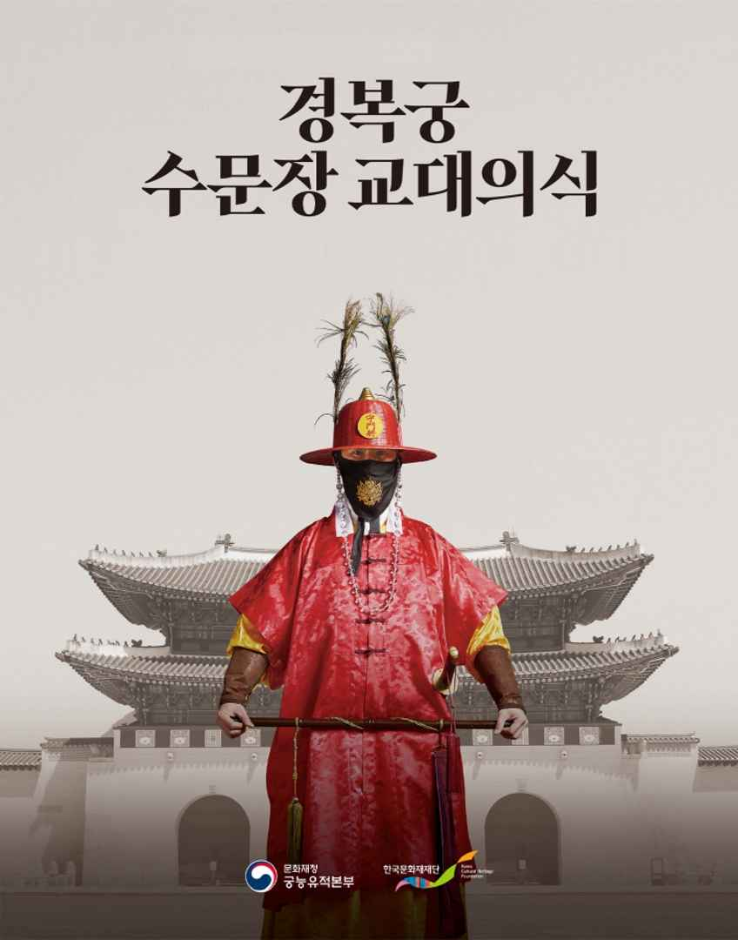
Palace Royal Guard Changing Ceremony (수문장 교대의식)
9.0Km 2025-07-11
161 Sajik-ro, Jongno-gu, Seoul
+82-2-3210-1645
In the Joseon dynasty, the royal guards of the palace were gatekeepers who were responsible for guarding the the main gates of Gyeongbokgung Palace as well as the main gates of the city such as Heunginjimun Gate and Sungnyemun Gate. The royal guards worked in shift duties and were in charge of opening and closing Gwanghwamun Gate. Before the royal guard system was enforced in 1469, the palace gates were protected by soldiers of the central army. The Palace Royal Guard Changing Ceremony held at Gyeongbokgung Palace and the Gwanghwamun area reenacts the guard-changing procedure that took place during the Joseon dynasty, along with the reproduction of costumes and weapons, based on historical records.
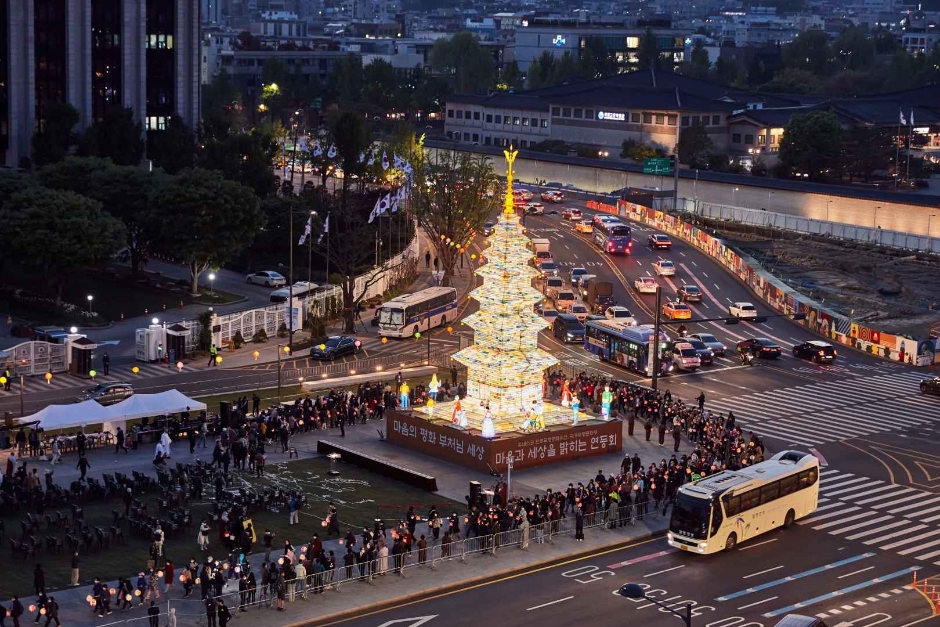
Yeon Deung Hoe (Lotus Lantern Festival) (연등회)
9.0Km 2025-04-09
55 Ujeongguk-ro, Jongno-gu, Seoul
+82-2-2011-1744~7
Started approximately 1,200 years ago during the Silla dynasty and continued through the Goryeo Yeon Deung Hoe and Joseon lantern festival, the Yeon Deung Hoe Festival is a traditional festival registered as an Intangible Cultural Heritage and UNESCO Masterpiece of the Oral and Intangible Heritage of Humanity. The lanterns at Yeon Deung Hoe Festival brighten the heart and the world!
Gallery Hyundai (갤러리 현대)
9.0Km 2021-03-18
14, Samcheong-ro, Jongno-gu, Seoul
+82-2-2287-3500
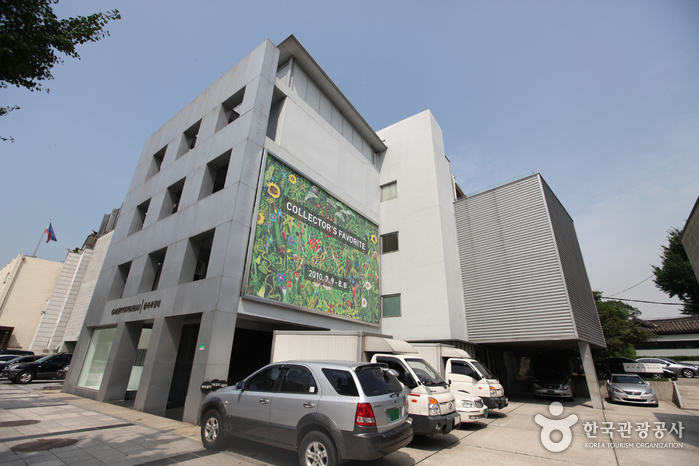
Gallery Hyundai has been improving daily for over 40 years since April 1970, working closely with various Korean artists in modern art. Gallery Hyundai introduces varied artists including prominent artists, as well as up-and-coming artists, regardless of genre through sophisticated exhibitions, showing domestic and overseas art all in one place.

Dugahun (두가헌)
9.0Km 2024-03-20
23 Yulgok-ro 1-gil, Jongno-gu, Seoul
+82-2-3210-2100
Dugahun is a wine restaurant near Gyeongbokgung Palace, meaning "a very beautiful house." Located in a traditional hanok from the 1910s, it offers a taste of Western culture with wine. Only lunch and dinner courses are available, and customers can select wines from the underground wine cellar or bring their own. Across the street, Gallery Dugahun, housed in a historic Russian-style brick building built in the late period of Joseon, showcases high-quality art pieces.
GS25 - Junggu Toegye Branch [Tax Refund Shop] (GS25중구퇴계점)
9.0Km 2024-06-27
180, Toegye-ro, Jung-gu, Seoul
-
Olive Young - Jongno Branch [Tax Refund Shop] (올리브영 종로점)
9.1Km 2024-06-27
1F, 78, Jong-ro, Jongno-gu, Seoul
-
Yangyeon Hwaro (양연화로)
9.1Km 2024-03-05
18 Samil-daero 17-gil, Jongno-gu, Seoul
+82-2-3210-0808
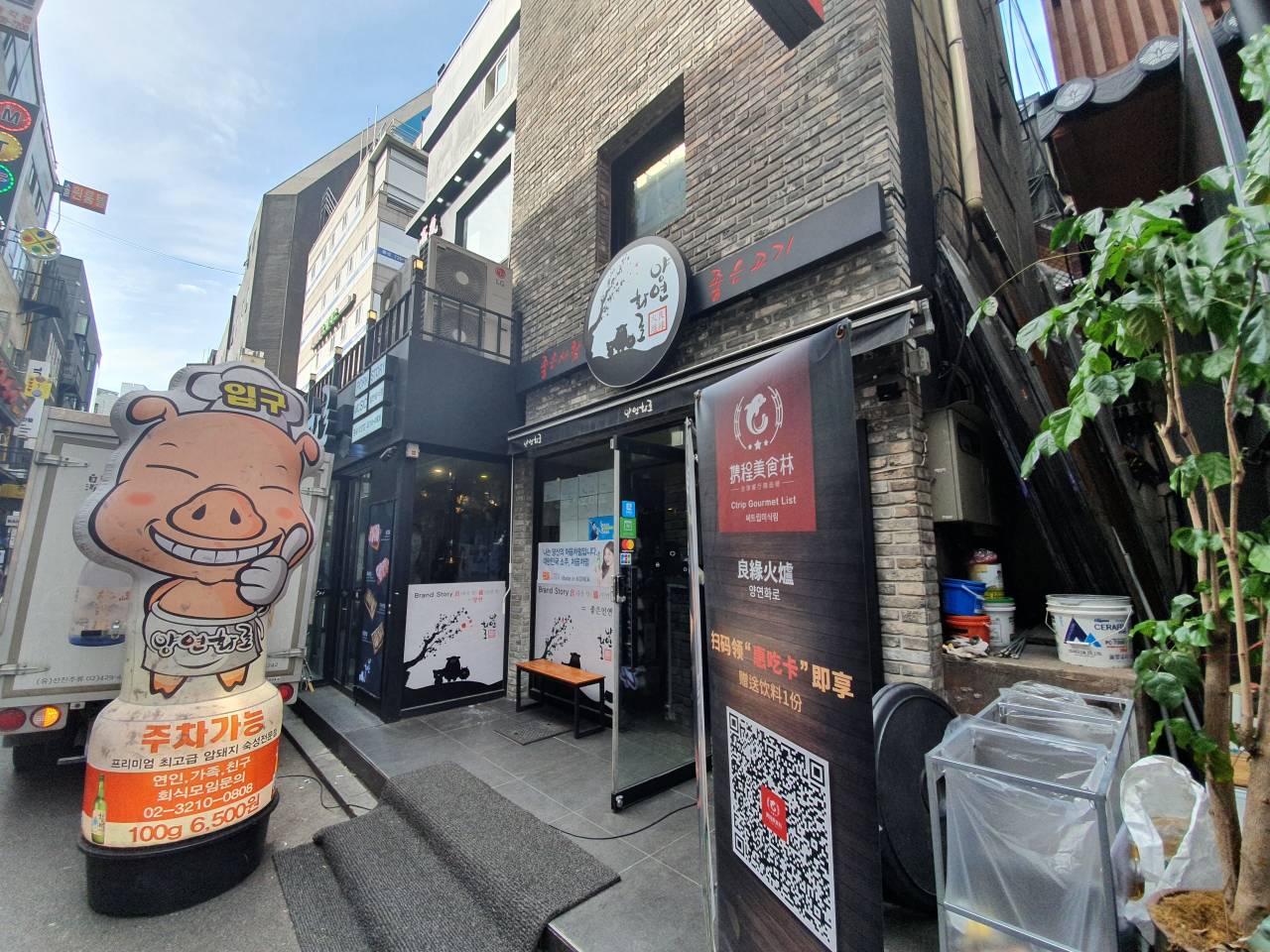
Yangyeon Hwaro is located in Jongno and is renowned for offering the essence of Korean-style barbecue. Its signature dish is the aged pork belly, grilled over charcoal, bursting with charcoal aroma and juiciness. Additionally, the menu includes various cuts of pork such as shoulder, thin skirt, and pork neck, as well as beef options like boneless short ribs and beef tartare. The staff personally grill the meat for the customers.
Imun Seolnongtang (이문설농탕)
9.1Km 2025-06-18
38-13 Ujeongguk-ro, Jongno-gu, Seoul
+82-2-733-6526
Imun Seolnongtang has been serving its hearty seolleongtang for over a hundred years since it first opened in 1907. Even its name has a long history: the word imun comes from Imun-gol, the now-obsolete name of the restaurant’s location, and seolnongtang, an old variation of the word seolleongtang. During the Japanese colonial rule, the restaurant’s regular customers included Gijeong Son, the marathon gold-medalist at the 1936 Berlin Olympics. The meal served at this restaurante is reputed to stay consistent from the Japanese colonial period.
 English
 한국어
한국어 日本語
日本語 中文(简体)
 Deutsch
 Français
 Español
 Русский


