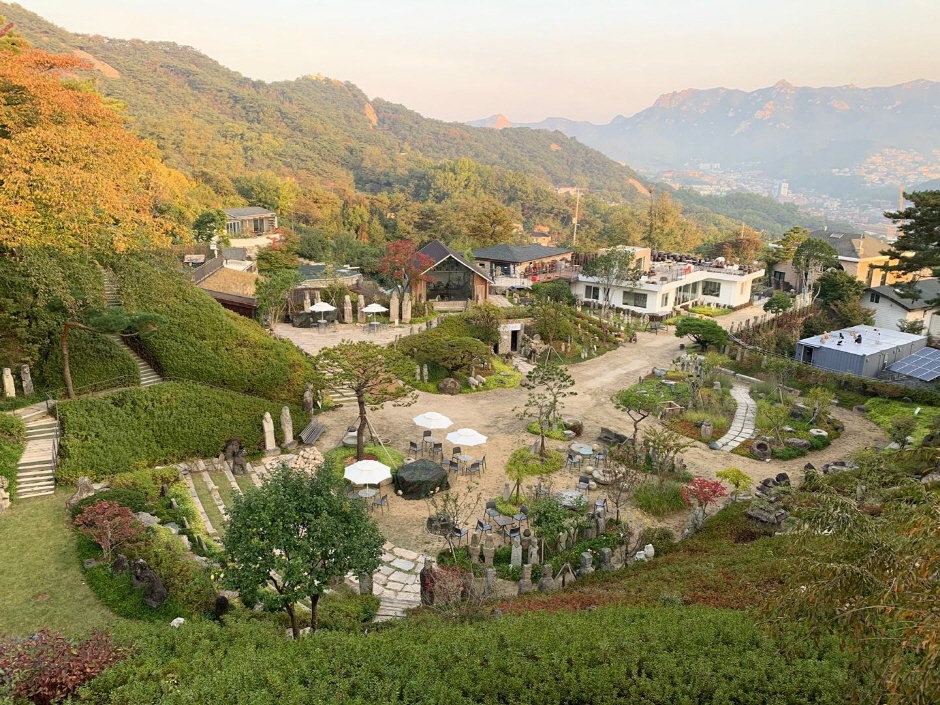
Mok In Museum Mok Seok Won (목인박물관 목석원)
8.9Km 2021-09-01
46-1, Changuimun-ro 5-gil, Jongno-gu, Seoul
+82-2-722-5066
Mok In Museum Mok Seok Won relocated in 2019 from Insa-dong to Buam-dong. Six exhibition halls offer visitors a look at wooden figures from around the world. Mokin refers to traditional wooden sculptures carved in shapes of human figures or various animals. The museum holds around 12,000 wooden folk sculptures including those used to decorate funeral carriages and temples mostly from the Joseon dynasty up to modern times. The museum also has an outdoor exhibition hall that harmonizes the sculptures with nature.
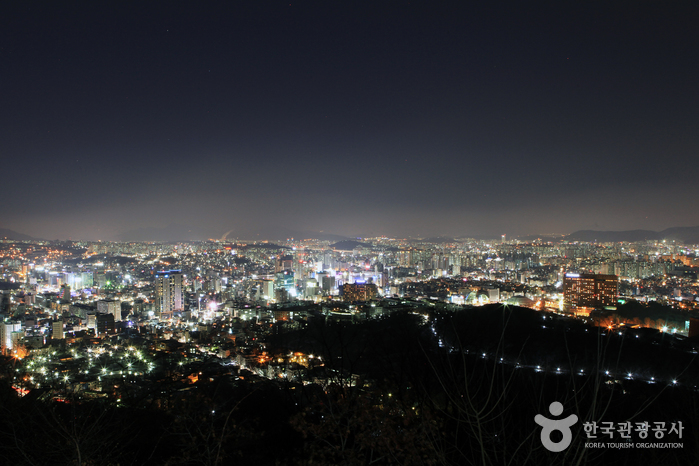
Seoul Namsan Park (남산공원(서울))
8.9Km 2024-03-18
231 Samil-daero, Jung-gu, Seoul
Namsan Mountain rises in the heart of Seoul at an altitude of 265 meters and has been a significant landmark since the Joseon dynasty (1392-1897), leaving behind several ruins. It was heavily damaged in the early 20th century, but was partially restored in 1968 with the creation of the park. Highlights include Namsan Tower and love locks left by numerous couples. Visitors can also easily reach the top by a cable car or bus.

Namsan Outdoor Botanical Garden (남산 야외식물원)
8.9Km 2022-12-16
323, Sowol-ro, Yongsan-gu, Seoul
+82-2-798-3771
Namsan Outdoor Botanical Garden opened its doors on February 18, 1997 in Hannam-dong, where the residential complex for foreigners once stood before it was demolished in 1994. Covering an area of around 59 ㎡, it is divided into 13 themed gardens with a total 117,132 plants from 269 species. Among this diversity, 60,912 plants from 129 species are tree types and 56,220 plants from 140 species are grass types.

Grand Hyatt Seoul (그랜드 하얏트 서울)
8.9Km 2025-10-23
322, Sowol-ro, Yongsan-gu, Seoul
+82-2-797-1234
The Grand Hyatt Seoul is an international business hotel located 10 minutes away from the center of the city and 20 minutes away from Yeouido and Gangnam, boasting a view of the Hangang River to the south and the scenery of Namsan Mountain to the north. It is also located only 70 minutes and 50 minutes away from Incheon International Airport and Gimpo International Airport respecitvely, making the hotel a convenient option for international travelers.
Grand Hyatt Seoul has twelve restaurants and bars that serve authentic meals and develop menus that lead the culinery trend. The hotel is also equipped with conference rooms, sports facilities, and spa services.
![Homeplus - Bucheon Sosa Branch [Tax Refund Shop] (홈플러스 부천소사)](http://tong.visitkorea.or.kr/cms/resource/88/2888388_image2_1.jpg)
Homeplus - Bucheon Sosa Branch [Tax Refund Shop] (홈플러스 부천소사)
8.9Km 2024-04-22
532, Gyeongin-ro, Bucheon-si, Gyeonggi-do
-
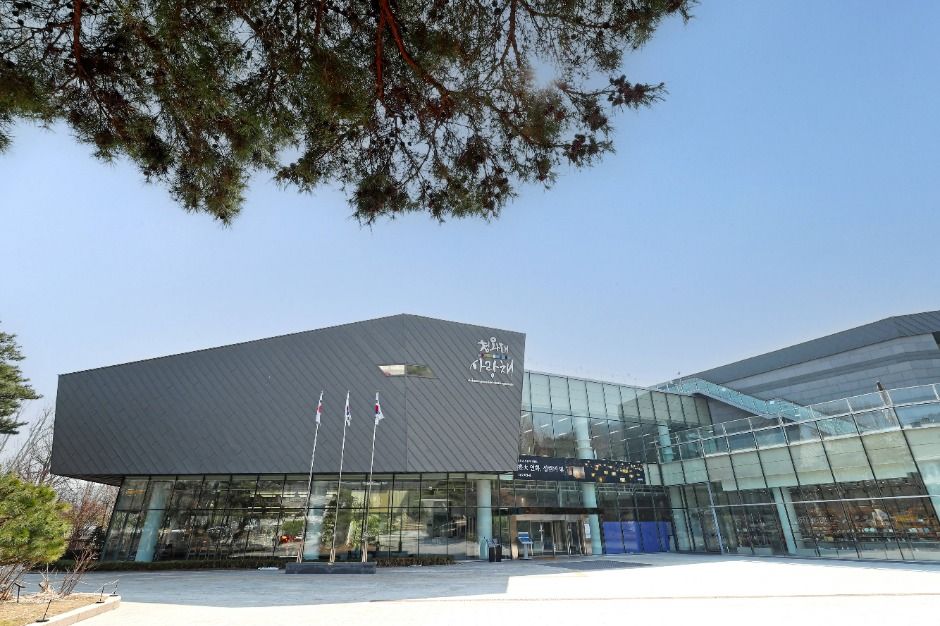
Cheongwadae Sarangchae (청와대사랑채)
8.9Km 2025-08-20
45 Hyoja-ro 13-gil, Jongno-gu, Seoul
+82-2-723-0300
Cheongwadae Sarangchae is an “open cultural space” for everyone. Throughout the facility, travel library-themed spaces and tourism-related exhibitions are set up providing distinctive experiences for visitors interested in learning more about Korea. By exploring Cheongwadae Sarangchae and its surroundings, visitors can expand their discovery and get a deeper insight as they travel Korea. Cheongwadae Sarangchae consists of exhbition halls on the first and second floors, with convenient amenities such as a nursing room, storage lockers, accessible restrooms, a gift shop, and a cafe.
![Himart - Sadang Branch [Tax Refund Shop] (하이마트 사당점)](http://tong.visitkorea.or.kr/cms/resource/28/2880028_image2_1.jpg)
Himart - Sadang Branch [Tax Refund Shop] (하이마트 사당점)
8.9Km 2024-04-18
77, Dongjak-daero, Dongjak-gu, Seoul
-
![CheongKwanJang - Jonggak Station Branch [Tax Refund Shop] (정관장 종각역)](http://tong.visitkorea.or.kr/cms/resource/13/2878213_image2_1.jpg)
CheongKwanJang - Jonggak Station Branch [Tax Refund Shop] (정관장 종각역)
8.9Km 2024-04-22
#102, 95, Sambong-ro, Jongno-gu, Seoul
-
![Olive Young - Jonggak Branch [Tax Refund Shop] (올리브영 종각)](http://tong.visitkorea.or.kr/cms/resource/24/2878224_image2_1.jpg)
Olive Young - Jonggak Branch [Tax Refund Shop] (올리브영 종각)
8.9Km 2024-04-18
45, Sungkyunkwan-ro 6-gil, Jongno-gu, Seoul
-
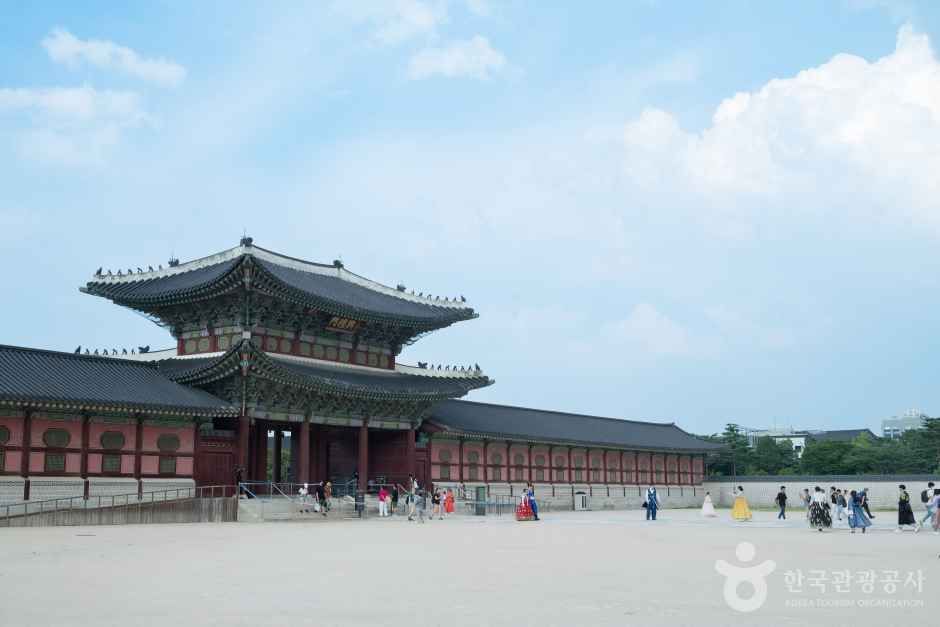
Gyeongbokgung Palace (경복궁)
8.9Km 2025-10-23
161 Sajik-ro, Jongno-gu, Seoul
+82-2-3700-3900
Gyeongbokgung Palace was built in 1395 as the official palace of the Joseon dynasty by Yi Seong-gye, the future King Taejo and founder of the new regime. Gyeongbokgung Palace is commonly referred to as the Northern Palace because of its location to the north, comparied to Changdeokgung Palace in the east and Gyeonghuigung Palace in the west. Gyeongbokgung Palace is arguably the most beautiful and is the largest of all five palaces. Many Joseon kings were crowned here. The premises were once destroyed by fire during the Imjin War (1592-1598). However, all of the palace buildings were later restored under the leadership of Heungseondaewongun during the reign of King Gojong. The assassination of Empress Myeongseong, however, resulted in Gyeongbokgung Palace losing its function as a royal palace, eventually witnessing the downfall of the Joseon dynasty. Gyeongbokgung Palace retains the original Gyeonghoeru Pavilion, a prime example of Joseon architecture, and the Hyangwonjeong Pavilion and pond. The sculptures in the Geunjeongjeon Hall exemplify Joseon-era sculpture techniques. The west side of the area outside Heungnyemun Gate is occupied by the National Palace Museum of Korea, while the eastern side of Hyangwonjeong Pavilion within the Gyeongbokgung Palace is occupied by the National Folk Museum of Korea.
 English
 한국어
한국어 日本語
日本語 中文(简体)
 Deutsch
 Français
 Español
 Русский


