![Vavas - Nonhyeon Branch [Tax Refund Shop] (바바에스 논현)](http://tong.visitkorea.or.kr/cms/resource/47/2888147_image2_1.jpg)
Vavas - Nonhyeon Branch [Tax Refund Shop] (바바에스 논현)
11.7Km 2024-04-17
#102, 42, Gangnam-daero 118-gil, Gangnam-gu, Seoul
-
![Olive Young - Apgujeong Station Branch [Tax Refund Shop] (올리브영 압구정역)](http://tong.visitkorea.or.kr/cms/resource/97/2879597_image2_1.jpg)
Olive Young - Apgujeong Station Branch [Tax Refund Shop] (올리브영 압구정역)
11.7Km 2024-04-22
878, Nonhyeon-ro, Gangnam-gu, Seoul
-

Chicor - Gangnam Branch [Tax Refund Shop] (시코르 강남)
11.7Km 2024-04-16
441, Gangnam-daero, Seocho-gu, Seoul
-
![DI Plastic Surgery [Tax Refund Shop] (디아이성형외과의원)](http://tong.visitkorea.or.kr/cms/resource/12/3314712_image2_1.jpg)
DI Plastic Surgery [Tax Refund Shop] (디아이성형외과의원)
11.7Km 2024-06-27
441, Gangnam-daero, Seocho-gu, Seoul
-
![VN Plastic Surgery [Tax Refund Shop] (브이엔성형외과의원)](http://tong.visitkorea.or.kr/cms/resource/95/3313895_image2_1.jpg)
VN Plastic Surgery [Tax Refund Shop] (브이엔성형외과의원)
11.7Km 2024-06-27
441, Gangnam-daero, Seocho-gu, Seoul
-
![Pretty Plastic Surgery [Tax Refund Shop] (프리티성형외과)](http://tong.visitkorea.or.kr/cms/resource/52/3314552_image2_1.jpg)
Pretty Plastic Surgery [Tax Refund Shop] (프리티성형외과)
11.7Km 2024-06-27
441, Gangnam-daero, Seocho-gu, Seoul
-
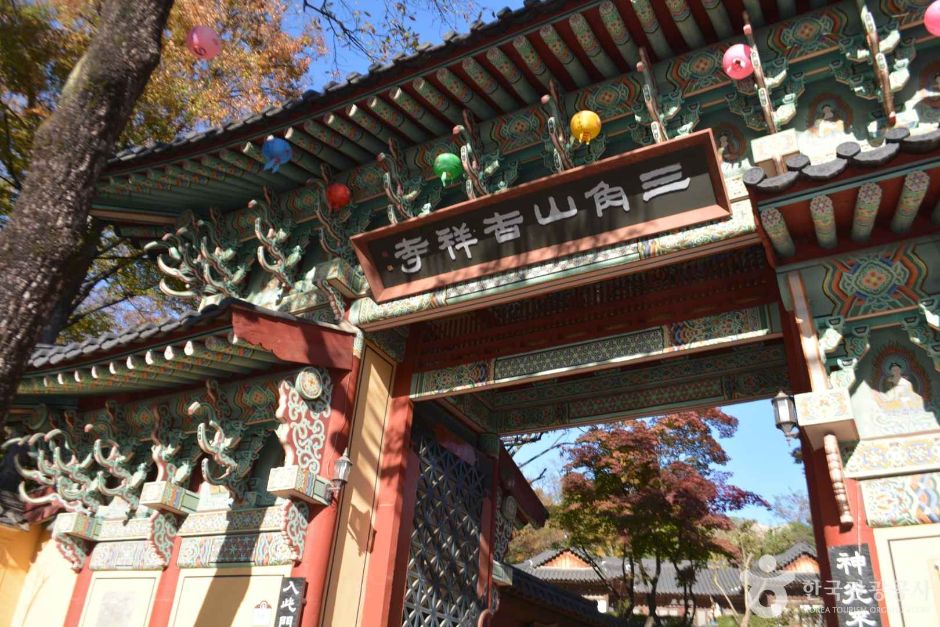
Gilsangsa Temple (Seoul) (길상사(서울))
11.7Km 2025-06-17
68 Seonjam-ro 5-gil, Seongbuk-gu, Seoul
+82-2-3672-5945
Gilsangsa Temple is a prominent temple located in Seongbuk-dong, Seoul. The name Gilsangsa means "a favorable and auspicious temple." Visitors can experience temple, participate in Buddhist practices, and even enjoy Templestay programs on weekends. In fall, visitors can admire red spider lilies and wildflowers, immersing themselves in the beauty of nature and finding inner peace.
![Mi & Mi Clinic [Tax Refund Shop] (미앤미의원)](http://tong.visitkorea.or.kr/cms/resource/03/3313303_image2_1.jpg)
Hwanghak-dong Flea Market (Dokkaebi Market / Manmul Market) (황학동 벼룩시장 (도깨비시장/만물시장))
11.7Km 2025-04-11
11-7 Majang-ro 5-gil, Jung-gu, Seoul
Hwanghak-dong Flea Market was named after the way how merchants travel from one place to another all over the country, as if like fleas hopping around from one spot to another, to collect rare and valuable items. This market was once a haven of antiques and collectibles, but with the formation of old-fashioned art street in 1983 in Janganpyeong, many classic art shops had moved out, leaving only used item and general goods stores. Now, visitors can find stores selling antiques, used furniture, electronics, clocks, jewelry, musical instruments, camera, and machinery – pretty much anything one can name. Hwanghak-dong Flea Market is also referred to as Dokkaebbi Market, to describe how even the most rundown items become just like new, as if like the work of a dokkaebi (Korean folk goblin).
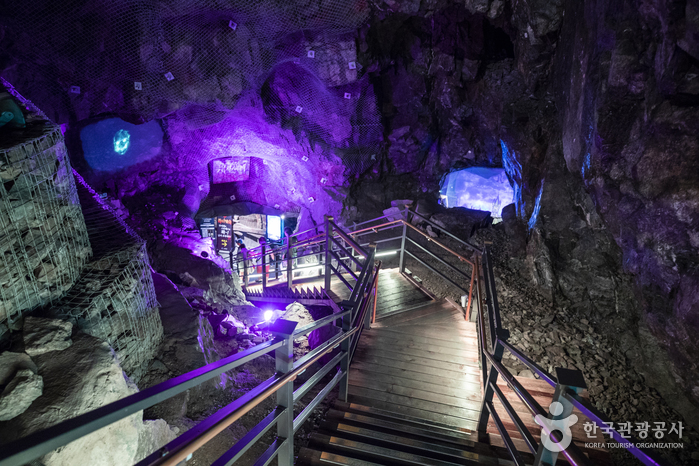
Gwangmyeong Cave (광명 동굴)
11.7Km 2025-10-27
142 Gahak-ro 85beon-gil, Gwangmyeong-si, Gyeonggi-do
Gwangmyeong Cave was developed in 1912 during the Japanese colonial period to exploit resources, including gold mines, and continued to be developed for industrial purposes after liberation. After the mine was closed in 1972, it was used as a salted seafood warehouse for about 40 years. Gwangmyeong City purchased the site, reorganized it, and made it available to the public. It is currently recognized as a modern industrial heritage site with high historical value, and is well known as a cave theme park in the metropolitan area. Along with the cave, colorful lights and sculptures create a spectacular sight. Aside from tasting and purchasing Korean wine at the Gwangmyeong Wine Cave, visitors can also see the largest media art piece in Korea at the Lascaux Exhibition Hall, enjoying a more diverse travel experience.
 English
 한국어
한국어 日本語
日本語 中文(简体)
 Deutsch
 Français
 Español
 Русский


