![Zen - Myeong-dong Branch [Tax Refund Shop] (ZEN 명동)](http://tong.visitkorea.or.kr/cms/resource/63/2888763_image2_1.jpg)
Zen - Myeong-dong Branch [Tax Refund Shop] (ZEN 명동)
8.9Km 2024-04-16
5-8F, 62, Myeongdong-gil, Jung-gu, Seoul
-
![Himart - Sadang Branch [Tax Refund Shop] (하이마트 사당점)](http://tong.visitkorea.or.kr/cms/resource/28/2880028_image2_1.jpg)
Himart - Sadang Branch [Tax Refund Shop] (하이마트 사당점)
8.9Km 2024-04-18
77, Dongjak-daero, Dongjak-gu, Seoul
-

Seowon (서원)
8.9Km 2024-03-11
141, Toegye-ro, Jung-gu, Seoul
+82-2-776-0214
Located in Myeongdong Street, Seowon focuses on porridge. It boasts a wide variety of porridge made with abalone, chicken, samgye (chicken and ginseng) mushrooms, oysters, shrimp, vegetables, etc. They also have Korean-style juices made with ginseng, fruits, and vegetables that goes well after finishing porridge. The restaurant opens early in the morning, so it's a great place to grab a quick breakfast.
Vestis - Gyeongbokgung Branch [Tax Refund Shop] (베스티스 경복궁)
8.9Km 2024-04-18
1F, 17, Jahamun-ro 12-gil, Jongno-gu, Seoul
-
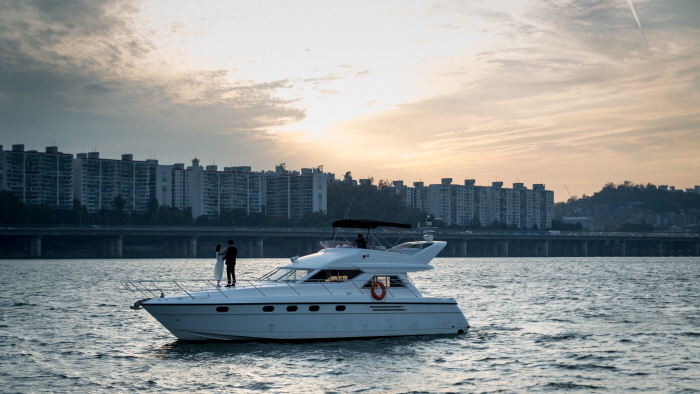
Golden Blue Marina (골든블루마리나)
8.9Km 2025-10-27
2085-14 Olympic-daero, Seocho-gu, Seoul
Golden Blue Marina, located on Some Sevit, is a cultural destination on the water, offering a unique way to enjoy views of Seoul along the Hangang River. This popular spot for parties and proposals helps you cruise through the city on a luxury yacht, creating a private retreat. In the evening, you can see the N Seoul Tower and the Rainbow Fountain illuminated by 200 lights, making it feel like you’re floating through the Milky Way.
◎ Travel information to meet Hallyu’s charm - variety show "Entertainment Weekly"
This is where the members of TWICE enjoyed a fall sports day at Banpo Hangang Park during their appearance on "Entertainment Weekly." The losing team rode a pedal boat, while the winners celebrated with a yacht ride, creating fun and memorable moments.
![Himart - Soha Branch [Tax Refund Shop] (하이마트 소하점)](http://tong.visitkorea.or.kr/cms/resource/41/2881841_image2_1.jpg)
Himart - Soha Branch [Tax Refund Shop] (하이마트 소하점)
8.9Km 2024-04-18
506, Ori-ro, Gwangmyeong-si, Gyeonggi-do
-
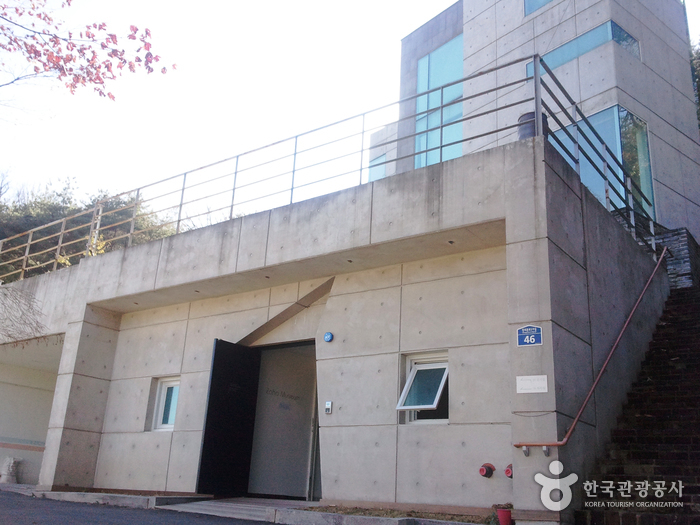
Zaha Museum (자하미술관)
8.9Km 2021-03-09
46, Changuimun-ro 5ga-gil, Jongno-gu, Seoul
+82-2-395-3222
Located in Buam-dong, Jongno-gu, Zaha Museum is the highest art gallery in Seoul. Reaching
the museum involves a bit of an uphill walk, but the breathtaking scenery that includes Bugaksan Mountain and Inwangsan Mountain makes it worth the effort.
Opened on March 1, 2008, the two-story museum exhibits experimental works of young artists. There are two exhibition halls and a small garden on the second floor with a great view of the mountains.
Youngpoong Bookstore - Jongno Branch [Tax Refund Shop] (영풍문고 종로점)
8.9Km 2024-04-18
41, Cheonggyecheon-ro, Jongno-gu, Seoul
-
![Olive Young - Yeokgok Station Branch [Tax Refund Shop] (올리브영 역곡역)](http://tong.visitkorea.or.kr/cms/resource/14/2889414_image2_1.jpg)
Olive Young - Yeokgok Station Branch [Tax Refund Shop] (올리브영 역곡역)
8.9Km 2024-04-18
729, Buil-ro, Bucheon-si, Gyeonggi-do
-
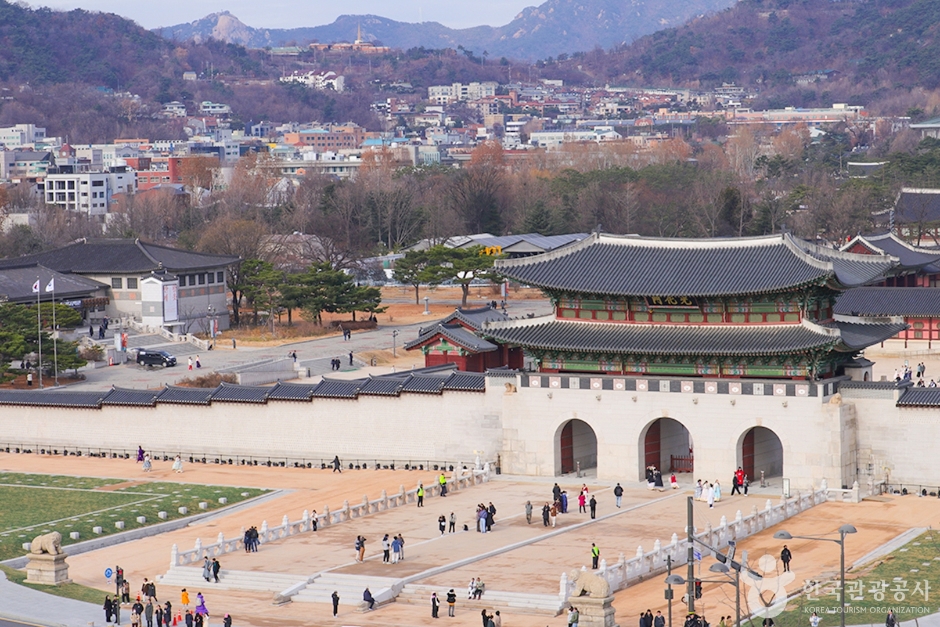
Gwanghwamun Gate (광화문)
8.9Km 2024-12-04
161 Sajik-ro, Jongno-gu, Seoul
+82-2-3700-3900
Built in 1395 under the reign of King Taejo, the first king of the Joseon dynasty, Gwanghwamun Gate is the southern gate of Gyeongbokgung Palace. It is also the main gate of the palace, therefore larger and fancier in comparison to the other gates. Gwanghwamun Gate consists of three arched gates; the center gate was used by the king, while the other two were used by the crown prince and royal officials. The tall granite walls of the gate serve as a platform for the wooden gate tower that watches over the city. The gate has a sign with its name written at the top center of the gate tower.
Gwanghwamun Gate went through several damages and restorations over the course of history. It was first severely damaged during the Imjin War (1592-1598) and was not restored until the reconstruction of Gyeongbokgung Palace in 1864. Under the Japanese administration, the gate was demolished and relocated to the north of the palace's eastern gate, followed by series of damages during the Korean War (1950-1953). In 1968, Gwanghwamun Gate was relocated back to the south of the palace and was rebuilt using concrete; however, the gate’s position was shifted a few meters away from its original location. In 2006, a major reconstruction project took place to restore Gwanghwamun Gate to its original state and location, disassembling the structure completely and replacing concrete with granite and wood. After three years and eight months of construction, Gwanghwamun Gate was fully restored to its original form and was open to the public on August 15, 2010.
 English
 한국어
한국어 日本語
日本語 中文(简体)
 Deutsch
 Français
 Español
 Русский


