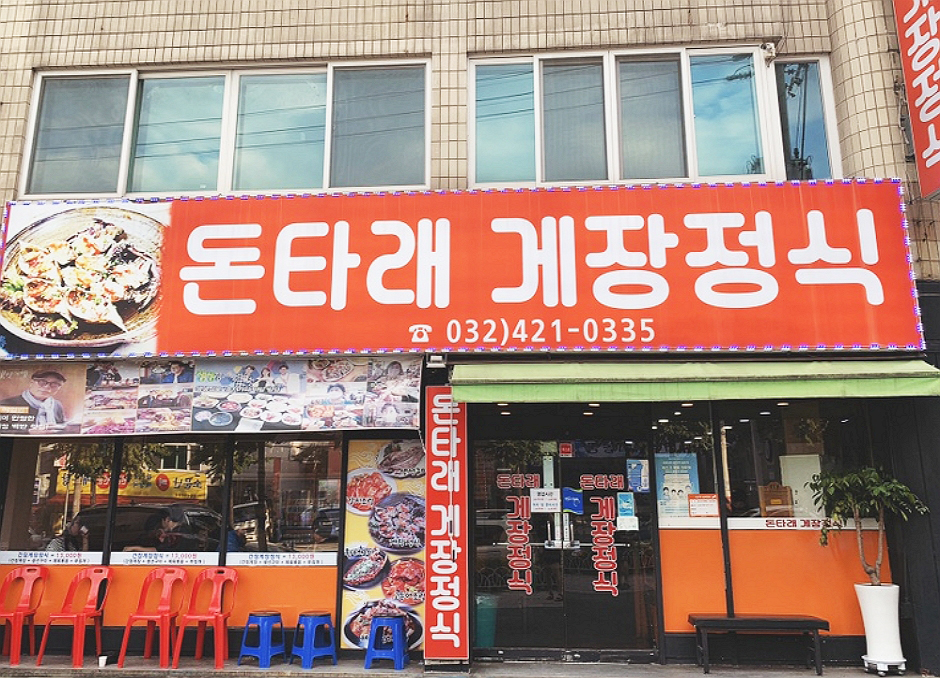
Dontarae Gejang Jeongsik (돈타래게장정식)
16.5Km 2024-12-02
인천광역시 부평구 열우물로 59
This restaurant offers ganjang gejang(Soy Sauce Marinated Crab) at affordable prices. Ganjang gejang Jeongsik features marinated crabs accompanied by a generous array of side dishes, such as saengseon-gui (grilled fish), jeyuk-bokkeum (spicy stir-fried pork), jeon (Korean pancake), japchae (stir-fried glass noodles), and miyeok-guk (seaweed soup).
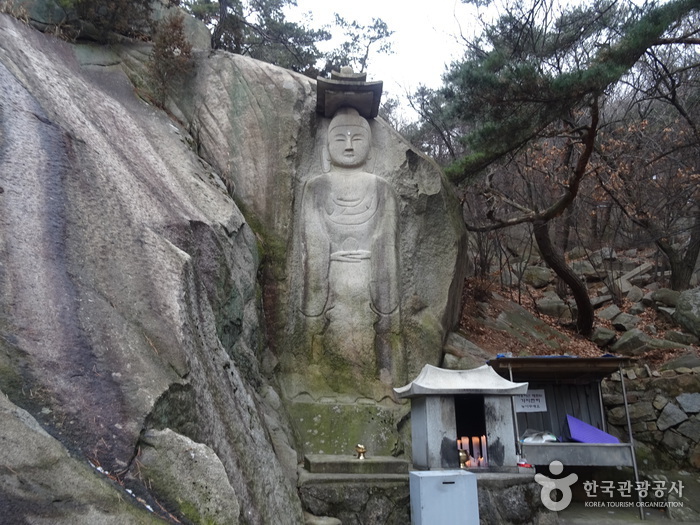
Jaunam Hermitage (자운암)
16.5Km 2023-05-08
Gwanak-ro, Gwanak-gu, Seoul
+82-2-882-3839
Jaunam Hermitage was originally built in 1396 by Great Monk Muhak of Joseon dynasty. It was renovated in 1734, and finally took shape of the hermitage we know today in 1976 when Monk Boryun added Daeungjeon Hall, Chilseonggak Pavilion, and Sansigak Pavilion. It is currently located in the famous Jahadong Valley on the Seoul National University campus.

Lotte Mart - Haengdang Station Branch [Tax Refund Shop] (롯데마트 행당역점)
16.5Km 2024-04-22
76, Haengdang-ro, Seongdong-gu, Seoul
-
![Olive Young - Sangwangsimni Station Branch [Tax Refund Shop] (올리브영 상왕십리역)](http://tong.visitkorea.or.kr/cms/resource/62/2878762_image2_1.jpg)
Olive Young - Sangwangsimni Station Branch [Tax Refund Shop] (올리브영 상왕십리역)
16.5Km 2024-04-16
382, Wangsimni-ro, Seongdong-gu, Seoul
-
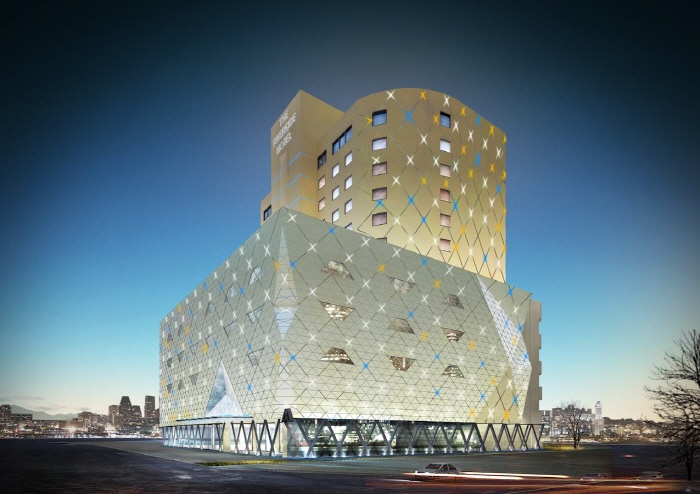
The Riverside Hotel (더 리버사이드 호텔)
16.5Km 2024-05-09
6, Gangnam-daero 107-gil, Seocho-gu, Seoul
+82-2-6710-1105
Located in Jamwon-dong, the transportation hub of Seoul and the center of the Gangnam business area, The Riverside Hotel has outstanding views of the Hangang River and downtown Seoul. The hotel is located a convenient 5-minute walk from Sinsa Station (Subway Line 3). At The Riverside Hotel, guests can enjoy dining, leisure, and culture.
All guestrooms look out on the magnificent nightscape of the Hangang River. Subsidiary facilities include a conference and wedding hall, a top-quality Japanese restaurant, a custom-tailored fitness system, a luxurious spa, an indoor driving range, 24-hour interpretation service, and customer service provided by English and Japanese speaking staff. The beautiful interior decorations and comfort items make a stay in The Riverside Hotel feel like home, perfect for business travelers.
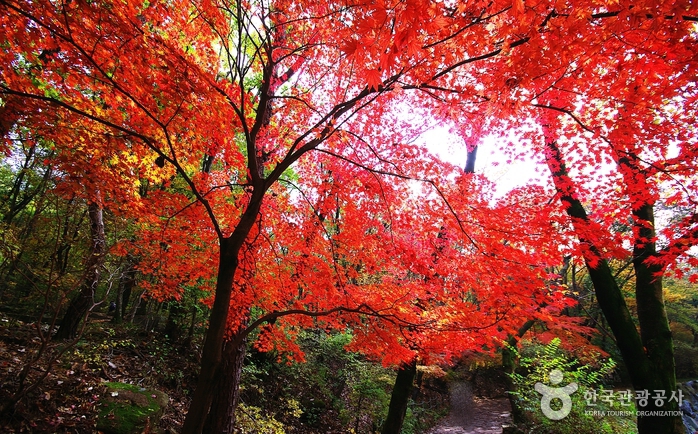
Gwanaksan Mountain (관악산)
16.5Km 2023-01-02
Gwanak-ro, Gwanak-gu, Seoul
+82-2-879-6521
Reaching 632.2 meters in x_height, Gwanaksan Mountain is the symbol and pride of Gwanak-gu district in Seoul. Most of the cultural heritage of the district originates from Gwanaksan Mountain. Since it was designated as a city natural park in 1968, it has continued to serve as a favorite place for relaxation and excursion for Seoul citizens. The various rocky peaks and the deep valleys give the mountain a rugged feel. The mountain's size and close proximity to Seoul make it easy for Seoul residents to make a day trip.
In the spring, cherry blossoms are in full bloom near the entrance to the mountain, and a Rhododendron Festival is held when the rhododendrons are in full bloom. At the mountain's summit are Wongaksa Temple and Yeonjuam Hermitage, which were built by Taejo Yi Seong-gye (the founder of the Joseon dynasty) to ward off misfortune when he decided to move the capital to Seoul. There are also other temples and hermitages, and a ground radar observation post. Yeonjudae Hermitage, located atop a cliff, is where all the hiking trails of Gwanaksan Mountain meet.
![Casamia - Apgujeong Branch [Tax Refund Shop] (까사미아 압구정)](http://tong.visitkorea.or.kr/cms/resource/16/2879616_image2_1.jpg)
Casamia - Apgujeong Branch [Tax Refund Shop] (까사미아 압구정)
16.5Km 2024-04-22
102, Apgujeong-ro, Gangnam-gu, Seoul
-

Spa Lei (스파레이)
16.5Km 2022-09-19
5, Gangnam-daero 107-gil, Seocho-gu, Seoul
+82-2-545-4002
Situated in Seocho-gu Jamwon-dong,
![Roi Plastic Surgery [Tax Refund Shop] (로이성형외과)](http://tong.visitkorea.or.kr/cms/resource/31/3313931_image2_1.jpg)
Roi Plastic Surgery [Tax Refund Shop] (로이성형외과)
16.6Km 2024-06-27
652, Gangnam-daero, Gangnam-gu, Seoul
-
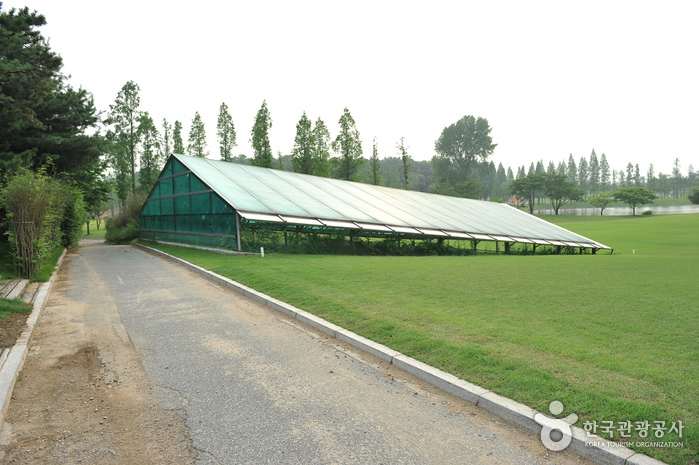
Incheon Gyeongseo-dong Nokcheongja Kiln Site (인천 경서동 녹청자 요지)
16.6Km 2021-04-23
54, Doyoji-ro, Seo-gu, Incheon
+82-32-440-4063
The Nokcheongja (Green Celadon) Kiln Site was designated as Historic Site No. 211 in May 1970. On December 9, 1984, the 82.6 ㎥ of the protective film was restored here. In addition, the unearthed models consisted of bowls and plates, as well as porcelain and pots. The colors of the glaze are greenish brown and dark green, opaque and non-glossy, and there are spots on the surface, but this is the component of the glaze. It is believed to have come from the influence of the special structure of the kiln and the firing temperature.
 English
 한국어
한국어 日本語
日本語 中文(简体)
 Deutsch
 Français
 Español
 Русский


