![Hyehwa1938 [Korea Quality] / 혜화1938 [한국관광 품질인증]](http://tong.visitkorea.or.kr/cms/resource/52/2529152_image2_1.jpg)
Hyehwa1938 [Korea Quality] / 혜화1938 [한국관광 품질인증]
2021-05-04
7, Sungkyunkwan-ro 16-gil, Jongno-gu, Seoul
+82-10-7107-1752
Located in (no suggestions)-dong of Seoul, Hyehwa 1938 is a lodging facility which is based on the remodeling of an 80-year- old traditional Korean house. A traditional Korean house expert initially wanted to use it as an office but later decided to turn it into a guest house due to its large size. As a result, the unique beauty of traditional Korean house was revived while improving practicality. The Woojeong room and Sarang room are now resized to accommodate max 8 persons which used to be only max 4 in the past. Despite the remodeling, the aura and atmosphere of the traditional Korean house is well preserved. Inside the room, you can see that the chandelier of the rich house in the '30s are accompanied by modern furniture and electronics which maintain unique harmony. Open the windows to see sansuyu and maehwa along with other various seasonal trees with beautiful colors and also the space such as edges and sewers are well arranged to avoid any discomforts with your eyesight. The heart of architecture offers only two rooms for guests, and you are all welcome to enjoy the true beauty of Korea.
GLOBAL STAY (글로벌스테이)
2024-12-23
57-37 , Jingwan 2-ro, Eunpyeong-gu, Seoul
+82-2-383-7377
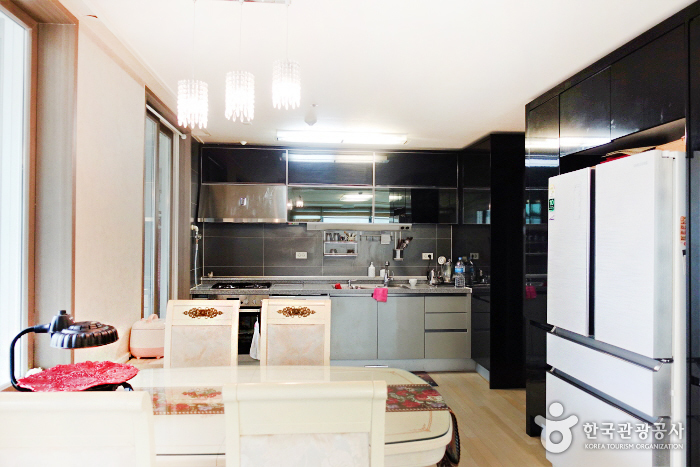
Global Stay is a B&B-style guest house in Jingwan-dong, Eunpyeong-gu, Seoul. The guest house has a terrace decorated according to season by the owner, who is trained in traditional Japanese table setting. A stylish breakfast and refreshments are provided, and the owner offers city orientation and Korean lessons for Japanese travelers.
GyoDae GuestHouse (교대게스트하우스)
2024-12-23
116 , Saimdang-ro 17-gil, Seocho-gu, Seoul
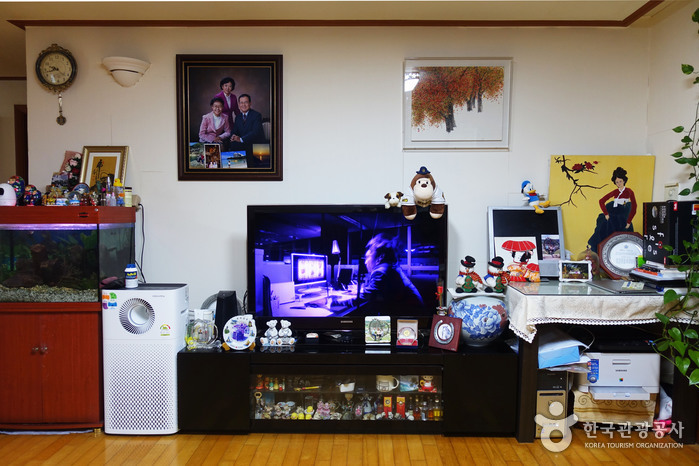
Gyodae Guesthouse is located in Seocho Samsung Raemian Apartments, near Gyodae station, Seoul. Residents share the space in a typical Korean home, with two separate rooms - each equipped with a computer and desk - plus shared kitchen, bathroom, and living room with TV and sofa, Foreign students studying at nearby universities often stay here for extended periods. A laundry service is provided free of charge.
Bcent Hotel (비센트호텔)
2024-12-22
64 , Chungjang-daero 9beon-gil, Jung-gu, Busan
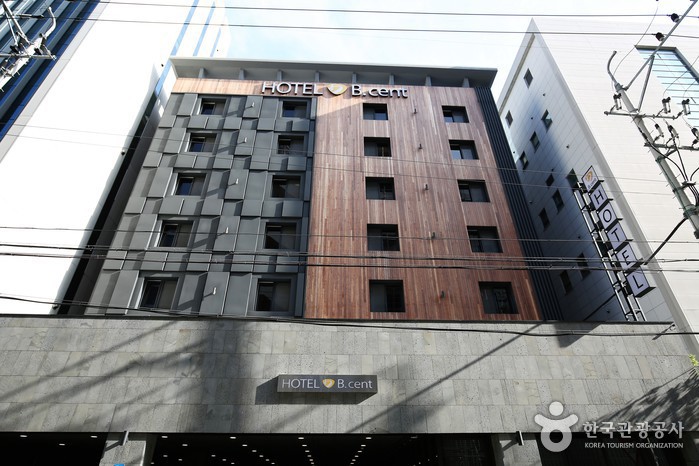
B.cent Hotel in Jungang-dong, Jung-gu, Busan, is a modern hotel offering sophisticated design and high-quality service. Rooms are spacious and pleasant with high-quality furniture and bedding. The hotel is adjacent to Busan Station, Busan Port Passenger Terminal and Gimhae Airport, making it convenient for both domestic and international travellers. The location also offers easy access to Busan shopping, culture, and tourist attractions.
Dasomchae (다솜채)
2024-12-22
27 , Naesang-ro 51beon-gil, Gwangsan-gu, Gwangju
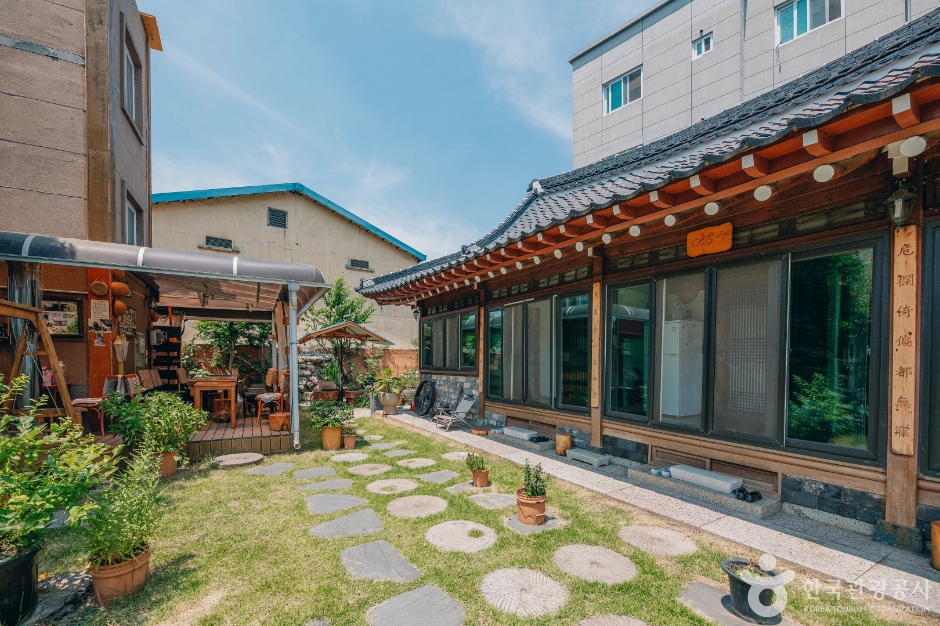
Dasomchae in Songjeong-dong, Gwangju, Jeollanam-do, is a guesthouse in an 80-year-old hanok with a spacious yard. All rooms have red clay walls and natural cotton bedding is provided. The yard contains many elegant locust, plum,and other fruit trees, and summertime brings the lovely sight of trumpet creepers winding round the chimney. The location is convenient for transport as it’s only a 10-minute drive to Gwangju Songjeong Station.
Hakbongjongtaek (학봉종택)
2024-12-20
2830-6 , Pungsantaesa-ro, Andong-si, Gyeongsangbuk-do
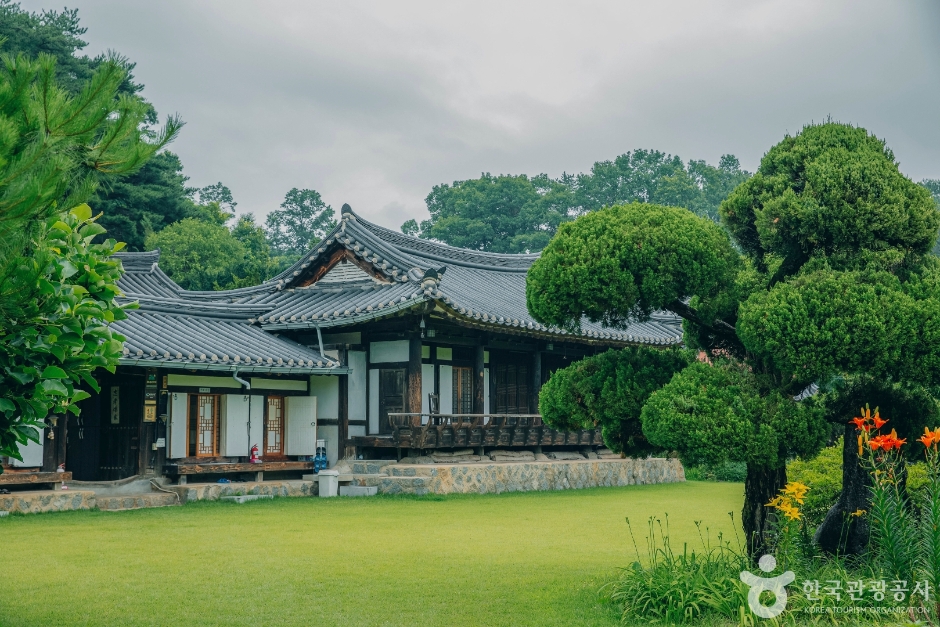
Hakbong Head House in Andong, Gyeongsangbuk-do, is the head house of the Uiseong Kim Clan. Originally built by Joseon scholar and educator Hakbong Kim Seong-il, it was moved to its present location in 1964. As a head house it has an unusually wide daecheong, as well as a large yard and garden with various trees and oddly shaped rocks. Concerts are regularly held at the old house. Hakbong’s descendants inherited not just this historic house, but also his patriotic spirit, many of them devoting themselves to the anti-Japanese independence movement.

Pohang Traditional Culture Center (포항전통문화체험관)
2026-02-09
7 Deokdongmunhwa-gil, Gibuk-myeon, Buk-gu, Pohang-si, Gyeongsangbuk-do
Pohang Traditional Culture Center is in a quiet village in Deok-dong, 40 minutes from downtown Pohang. It's a place for learning about traditional local culture while enjoying beautiful natural surroundings. Visitors can experience seodang schooling, calligraphy, a tea ceremony, natural dyeing, taekkyeon martial art, Nanta drumming, straw crafts and paper making, as well as making (and eating) bean curd and rice cakes. The affordable hanok rooms are ondol-heated, with shared toilet and shower room.
Tohyang traditional house (토향고택)
2024-12-19
43 , Baraemi 1-gil, Bonghwa-gun, Gyeongsangbuk-do
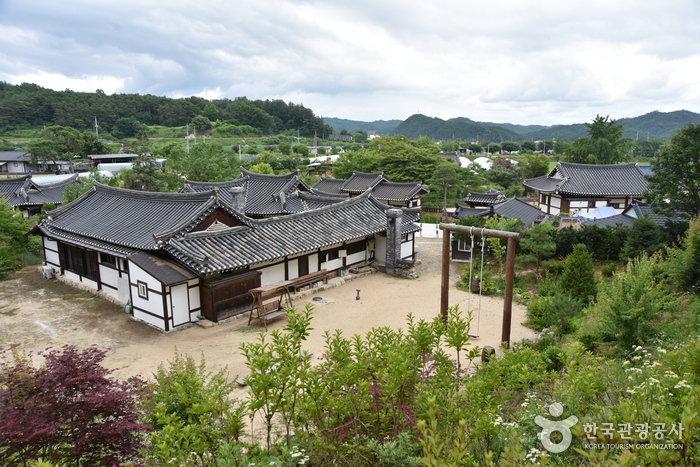
Tohyang Old House is a grand old house in Bonghwa, Gyeongsangbuk-do, formerly the home of eleven generations of the same family. The main house is estimated to be over 350 years old, and is a place where past and present harmonize. The garden contains flower beds, a lotus tree, a walking path, and a wood-fired pottery kiln, where you can take part in a traditional pottery experience.
HAHN BY SONO (한 바이 소노)
2024-12-20
494 , Juwangsan-ro, Cheongsong-gun, Gyeongsangbuk-do
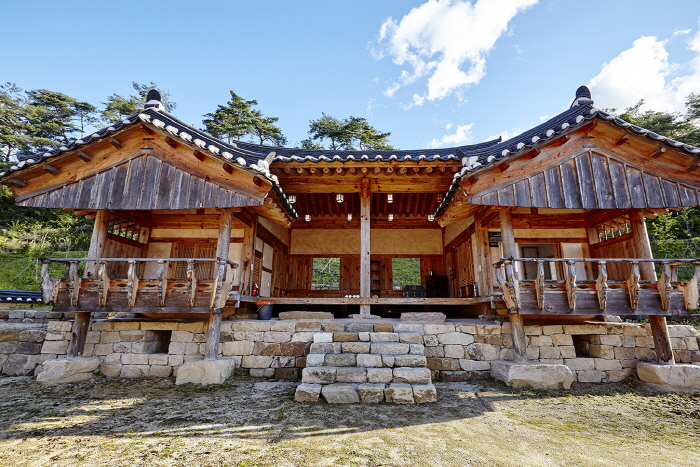
Cheongsong Folk Crafts Village has a hanok guest-house compound in the Cheongsong Tourist Area of Gyeongsangbuk-do. Daegam’s house, Yeonggam’s house, and Jeongseung’s house have wide floor areas, big yards many rooms, while Saengwondaek and Chambongdaek are simpler, straight-roofed hanoks. All houses have modern toilets. The barn, warehouse and traditional kitchens are presented as they were in Joseon times. As well as arts and crafts the complex houses a traditional pottery village, a pottery exhibition hall, a folk museum, and the intriguing Flower Stone Museum.
House of Changsil (창실고택)
2024-12-20
39 , Songsogotaek-gil, Cheongsong-gun, Gyeongsangbuk-do
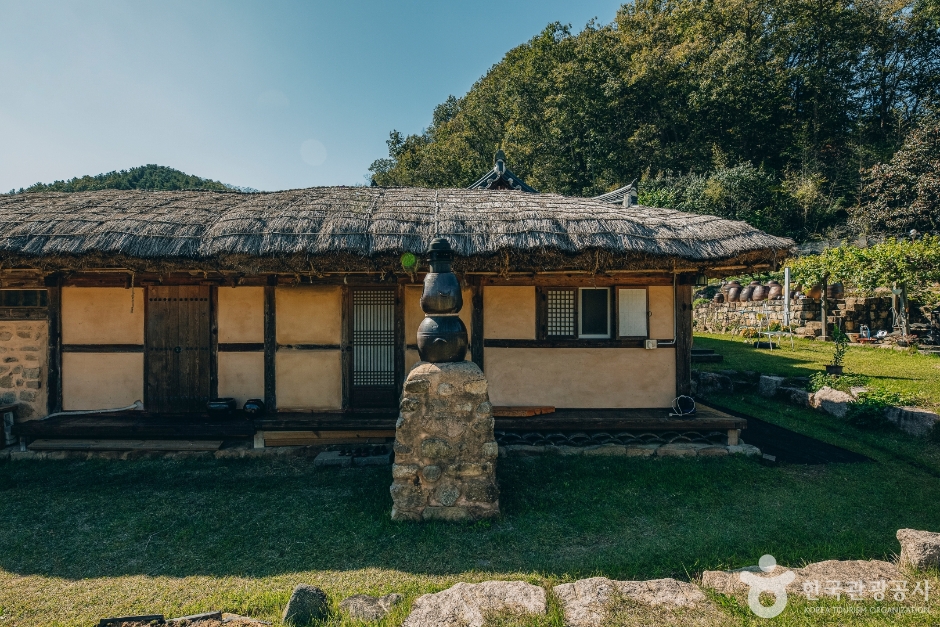
Changsil Old House is a courtyard hanok in Cheongsong-gun, Gyeongsangbuk-do. It was built in 1917 by Sim Ho-taek of Songso as a home for his younger brother. The anchae (women’s house) and the sarangchae (men’s house) are arranged side by side, with the connected library and storeroom between them. Just inside the gate is a haengnangchae (servants’ quarters), and there is also a thatched hanok which is currently being rented out as a red clay room.
 English
 한국어
한국어 日本語
日本語 中文(简体)
 Deutsch
 Français
 Español
 Русский


